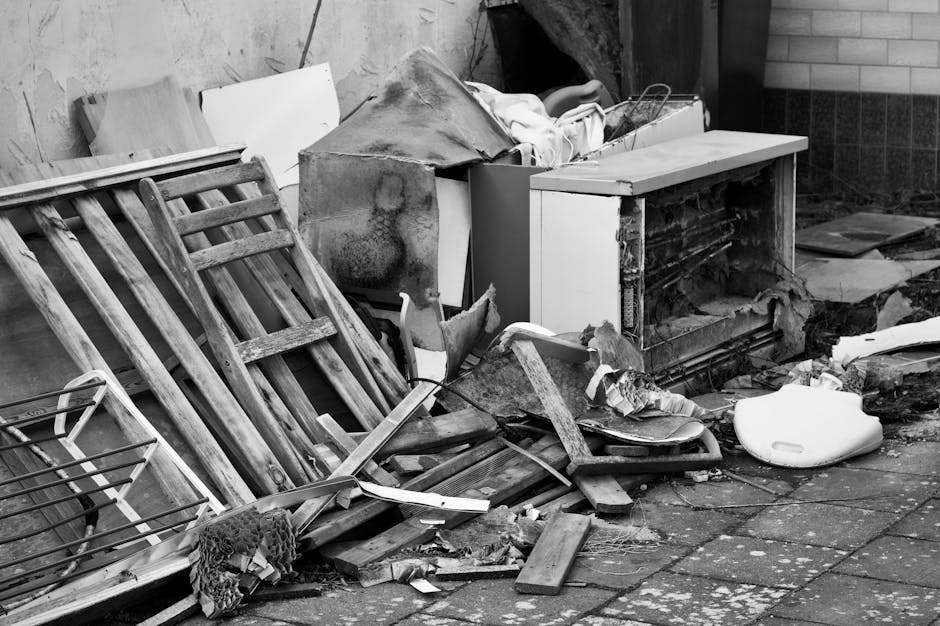
Hillingdon Council rules on bulky rubbish in Uxbridge homes
Posted on 12/10/2026
If you live in Uxbridge and you've got an old sofa sitting in the hallway, a mattress taking up half the spare room, or a broken wardrobe that will not fit in the car, the rules around bulky waste can suddenly matter a lot. Hillingdon Council rules on bulky rubbish in Uxbridge homes are there to keep streets clear, support proper disposal, and reduce fly-tipping. But let's face it, the process can feel a bit confusing when you just want the thing gone.
This guide walks through what bulky rubbish means, how the local rules typically work, what households should prepare for, and when a private removal service may be the better fit. You'll also find practical tips, common mistakes to avoid, and a simple checklist you can actually use without faffing about.
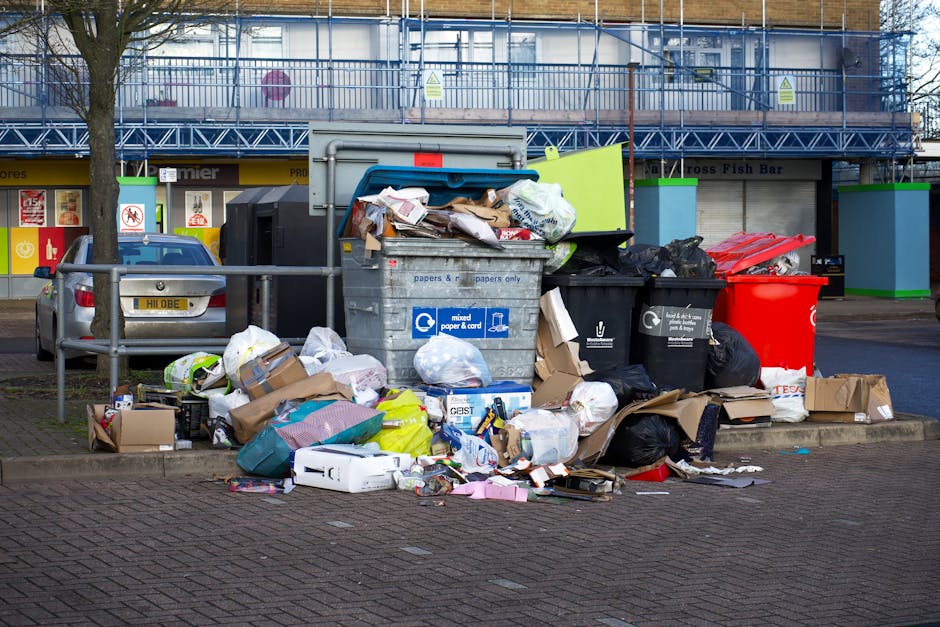
Why Hillingdon Council rules on bulky rubbish in Uxbridge homes Matters
Bulky rubbish is one of those household jobs that stays in the background until it suddenly becomes urgent. Then a broken bed frame blocks the landing, or a fridge-freezer sits in the kitchen making everything feel smaller than it is. In Uxbridge, understanding the local rules matters because bulky items are not handled the same way as everyday bin waste.
There are three big reasons people get caught out. First, bulky items usually need a separate collection or a specialist disposal route. Second, councils often have specific rules about what will and will not be taken. Third, if something is left on the pavement too early, placed out incorrectly, or handed over to the wrong operator, you can end up with a mess, a delay, or in the worst cases, a fly-tipping problem that comes back on the household.
To be fair, most people are not trying to do anything wrong. They just want an old sofa removed without spending all weekend shifting it down narrow stairs. That is exactly why it helps to know the rules before you start moving furniture around.
For households planning a larger clear-out, it can also make sense to look at related local services such as house clearance in Uxbridge or rubbish collection in Uxbridge if the job involves more than one or two items.
How Hillingdon Council rules on bulky rubbish in Uxbridge homes Works
In plain English, bulky waste is anything too large for normal household bins or regular weekly collection. Think sofas, armchairs, wardrobes, mattresses, tables, white goods, and similar items. The exact accepted list can vary depending on the collection provider and the item's condition, so it is always worth checking the current guidance before you book anything.
Typically, the process works like this: you identify the item, check whether it can be collected, arrange a booking or approved collection route, prepare the item safely, and make sure it is placed where it can be accessed without risk. That sounds simple. Sometimes it is. Sometimes the item is wedged behind a washing machine and you wonder why you even started. Still, the basic flow stays the same.
Bulky waste rules usually cover a few important points:
- Item type: some materials or appliances need special handling.
- Quantity: there may be limits on how many items can be collected at once.
- Condition: items should normally be suitable for lift, carry, and transport.
- Access: crews need a safe, clear route to remove the item.
- Separation: certain waste streams may need to be kept apart, especially electricals and mattresses.
For example, a single sofa is usually straightforward. A mixed pile of broken furniture, old paint tins, and loose DIY waste is not. That mixture often needs a different disposal solution, which is why households dealing with renovation leftovers may also want to look at builders waste disposal in Uxbridge.
One practical point many people miss: if the item has sharp edges, leaking contents, or heavy components, you should not just drag it outside and hope for the best. Safety matters. So does keeping neighbours, children, and passers-by out of harm's way.
Key Benefits and Practical Advantages
Following the right bulky waste route is not just about ticking a box. It makes the whole job less stressful and usually less wasteful too. When households use the correct process, they tend to avoid repeat visits, prevent clutter from building up, and reduce the chance of items ending up dumped somewhere they should not be.
- Cleaner home access: hallways, porches, and stairwells become usable again.
- Lower safety risk: no unstable furniture left balancing against the wall.
- Better compliance: items are dealt with under the expected local rules.
- Less neighbour friction: no bulky item left on the pavement for days on end.
- More efficient clearance: a well-planned collection usually saves time.
There is also a less obvious benefit: once the bulky item is gone, other decisions become easier. Suddenly you can measure the room properly, book decorating work, or make space for a new bed without moving piles around for the third time. That little burst of momentum helps more than people expect.
If sustainability matters to you, it is worth checking whether reusable items can be diverted for reuse or whether separated materials can go through a more environmentally sensible route. A sensible approach to disposal sits well alongside broader recycling and sustainability choices.
Who This Is For and When It Makes Sense
This topic matters to a wide mix of Uxbridge households. It is not just for people moving house. In practice, bulky rubbish comes up when life changes a bit and the old stuff stops fitting your routine.
- Tenants moving out: old furniture needs to be cleared before handover.
- Homeowners refreshing a room: a bed, sofa, or wardrobe may be replaced.
- Families making space: children outgrow furniture faster than you expect.
- Older residents downsizing: fewer items are needed in the new place.
- Landlords and agents: end-of-tenancy clear-outs often include bulky items.
- Anyone with damaged appliances: a dead washing machine is not going to fix itself, frustratingly.
It also makes sense to pay attention if the item is too heavy to move safely, if you do not have the right vehicle, or if the waste is part of a bigger clear-out. For mixed jobs, some readers find it useful to compare a targeted removal with an all-in service such as furniture removal in Uxbridge or furniture disposal in Uxbridge.
Ask yourself a simple question: do you want the item gone, or do you want to spend half a day figuring out transport, loading, and disposal? That answer usually points you in the right direction.
Step-by-Step Guidance
Here is a practical way to handle bulky rubbish in a normal Uxbridge home without turning the job into a weekend-long ordeal.
- Identify exactly what needs removing. Make a list. A mattress, a chest of drawers, and an old microwave all have different handling needs.
- Separate bulky waste from general rubbish. Keep loose bin bags, recyclables, electrical items, and furniture apart where possible.
- Check whether the item is accepted. Some items may need special disposal because of size, type, or condition.
- Measure access points. Stairs, doorways, narrow halls, and lift access can change how a collection is carried out.
- Remove personal belongings. Open drawers, cushions, blankets, and paperwork have a habit of hiding inside items. Honestly, they really do.
- Prepare the item safely. Tape loose doors shut, reduce sharp edges where appropriate, and avoid lifting anything you should not be lifting alone.
- Set the item out in the agreed place and time. Miss the slot and you may face delays or refusals.
- Keep proof of booking or service details. This helps if anything goes wrong.
If you are dealing with a larger pile rather than one item, it may be worth thinking about a broader clear-out service such as loft clearance in Uxbridge or garden waste removal in Uxbridge, depending on what has built up.
A small but useful tip: take a quick photo before the collection. It sounds almost too simple, but it helps you remember what was included, especially if you are juggling more than one room.
Expert Tips for Better Results
In our experience, the smoothest bulky waste jobs are the ones where the household does the small things well. Nothing dramatic. Just tidy preparation and clear decisions.
Tip 1: clear a path before collection day. Move shoes, mats, plant pots, and anything else that might snag a trolley or obstruct lifting. A clear route makes the removal safer and quicker.
Tip 2: keep mixed waste separated. Furniture, electricals, textiles, and general rubbish often follow different handling rules. Blending them into one pile can slow everything down.
Tip 3: check for reusable value. If an item is clean and usable, it may be better suited to reuse than disposal. A solid wooden table can sometimes have a second life, which is nice when it happens.
Tip 4: be realistic about weight. A bulky item that looks manageable can still be awkward or unsafe once you try to move it through a narrow landing. That is where people strain backs and chip walls.
Tip 5: think ahead if you have more coming out later. If you are replacing furniture, timing the old item's removal just before the delivery helps avoid clutter building up again. Not exactly rocket science, but easy to forget.
Tip 6: ask about special handling for white goods. Appliances such as fridges, freezers, and washing machines may need different disposal arrangements because of materials and components. If that is your situation, white goods and appliance disposal in Uxbridge is often the cleaner route to explore.
Tip 7: keep communication simple. If you are booking a service, describe the item plainly. "Large three-seater sofa, ground floor, front access" is better than a vague "big thing in the lounge." Everyone knows what you mean, but details save time.
Common Mistakes to Avoid
Most problems with bulky rubbish come from a small handful of predictable mistakes. Avoid these and the whole process becomes much easier.
- Leaving items out too early: this can create clutter and may not meet collection rules.
- Assuming every item is accepted: some waste types need a different route.
- Forgetting access issues: a narrow gate or top-floor flat can change the plan.
- Mixing unsuitable materials: DIY waste, electricals, and furniture often should not be bundled together.
- Underestimating the size of the job: one sofa is one thing; an entire room is another.
- Trying to move heavy objects alone: that is how people end up with sore backs and dented walls.
Another common slip is focusing only on the item itself and forgetting where it came from. If the waste is linked to a tenancy end, a property sale, or a renovation, the timing may matter as much as the collection method. A little planning goes a long way.
Tools, Resources and Recommendations
You do not need specialist equipment for every bulky item, but a few simple tools make life easier and safer. For many households, the difference between a manageable job and a miserable one is surprisingly small.
| Tool or Resource | Why It Helps | Best Use |
|---|---|---|
| Measuring tape | Confirms whether items can fit through doors and hallways | Before moving a sofa, wardrobe, or bed frame |
| Gloves | Protect hands from sharp edges and dirt | General handling and loading |
| Heavy-duty bags or sacks | Keep loose contents contained | Soft furnishings, small mixed waste, cushions |
| Blankets or floor protectors | Help prevent scratches on floors and walls | Narrow stairwells and tight corners |
| Label or note list | Helps track what is being removed | Multiple items or mixed clear-outs |
If the job is larger than expected, a local removal service can save a lot of back-and-forth. That might be especially useful if you are comparing domestic waste collection in Uxbridge with a more targeted bulky-item pickup. They are not always the same thing, and the right one depends on the mix of waste you actually have.
For people looking for cost clarity before they book anything, it is sensible to review pricing and quotes early. Hidden extras are rarely a pleasant surprise, and nobody likes getting halfway through a tidy-up only to realise the plan changed.
Law, Compliance, Standards, or Best Practice
Bulky waste disposal in the UK sits within general waste-handling expectations, duty-of-care principles, and local council arrangements. You do not need to become a legal expert to deal with a sofa, but you do need to avoid handing waste to an unlicensed operator or leaving items in a way that creates hazards for others.
The practical standards most households should keep in mind are straightforward:
- Use an authorised route: council services or reputable licensed carriers are the safer options.
- Do not dump items illegally: fly-tipping can lead to enforcement and cleanup issues.
- Separate special waste: electrical items, sharp materials, and certain DIY remnants may need different treatment.
- Keep records where sensible: if you pay for a service, hold onto the booking details and any confirmation.
- Choose safe access and lifting practices: injuries and property damage are avoidable if the job is planned properly.
If you are using a third-party removal provider, checking compliance matters. A reputable business should be able to explain how waste is handled and what happens after collection. One useful starting point is a provider's waste carrier licence and compliance information, because that tells you they understand the basics of lawful transport and disposal.
Insurance is worth a quick look too, especially if items need carrying through communal areas or up and down stairs. A little caution is not overkill here; it is just sensible. The same applies to checking insurance and safety arrangements before you let anyone near large, awkward items.
Options, Methods, or Comparison Table
There is rarely one perfect way to deal with bulky rubbish. The right choice depends on the item, your access, your time, and how much lifting you want to do yourself.
| Method | Best For | Advantages | Limitations |
|---|---|---|---|
| Council bulky waste route | Single items or small amounts of accepted bulky rubbish | Structured, familiar, often straightforward | May have item limits or booking steps |
| Private bulky item removal | Mixed items, urgent jobs, or awkward access | Flexible, often faster, more hands-off | Costs can vary depending on volume and labour |
| Reuse or donation | Clean, usable furniture or appliances | Extends item life, reduces waste | Not suitable for damaged or unsafe items |
| Self-haul to a facility | Households with the vehicle and time | Direct control over disposal | Labour-heavy, needs transport, loading, and sorting |
If you are trying to decide between a single-item pickup and a broader clear-out, ask yourself how much of the work is actually yours. Time, lifting, access, and sorting all matter. The cheapest option on paper is not always the simplest in real life.
Case Study or Real-World Example
A typical Uxbridge scenario goes like this. A couple are redecorating a front bedroom and replacing an old bed, mattress, and chest of drawers. At first, they think it will all fit in the car. Then they actually measure the items and realise the wardrobe is too tall, the mattress is awkward to bend, and the bed frame needs disassembly. Classic.
They first separate the items into what can be reused, what can be disposed of, and what might need special handling. The mattress is bulky but straightforward. The chest of drawers is sound enough to remove, though a little heavy. The wardrobe, however, is too large for a quick DIY trip and would take more time and energy than they want to spend.
After checking the options, they arrange a removal service for the bulky items and keep the usable smaller pieces for a later charity or resale decision. They also clear the hallway, take the lamp off the chest of drawers, and tape the remaining loose handles so nothing snags. It is a modest job, really, but the planning makes it feel far less chaotic.
By the end of the morning, the bedroom is empty, the route is clean, and the couple can get on with decorating without tripping over old furniture. Nothing glamorous. Just a smoother day, which is often exactly what people need.
Practical Checklist
Use this quick checklist before arranging bulky rubbish removal in Uxbridge.
- List every item you want removed.
- Check whether each item is accepted under the chosen route.
- Measure the item and the access route.
- Remove personal belongings, batteries, cables, and loose contents.
- Separate furniture, electricals, garden waste, and general rubbish.
- Decide whether the item can be reused or should be disposed of.
- Confirm the collection time or service window.
- Clear the path from the item to the exit point.
- Keep proof of booking or service details.
- Make sure children and pets are kept out of the way on the day.
If you are dealing with a larger property clean-up, broader services such as services overview can help you see which route fits best. And if the job ends up bigger than expected, a more complete option like waste removal in Uxbridge may be the simplest answer.
Conclusion
Hillingdon Council rules on bulky rubbish in Uxbridge homes are really about making disposal safer, cleaner, and more orderly for everyone involved. Once you know what counts as bulky waste, how to prepare it, and which route best suits your household, the whole thing becomes much less stressful.
The main thing is not to leave it until the item becomes a hazard or a nuisance. A bit of early planning usually saves time, money, and a fair amount of grumbling. And if you are still weighing up whether to handle the job yourself or bring in help, that is normal. Most people do a bit of both depending on the size of the task.
Get a free quote today and see how much you can save.
For anyone in Uxbridge facing a bulky item clear-out, the best next step is simple: assess the waste properly, choose a safe route, and get it done without making the week harder than it needs to be. Small wins count.